Thomson Reserve has 10 marketed unit categories, with the 2-Bedroom Premium + Study offered in two sizes. That gives buyers 11 size/layout combinations, from a 592 sqft two-bedroom to a 1,808 sqft five-bedroom Suite with private lift.
With 1,268 units in total, the unit mix itself tells us quite a lot about who the development is built for - and where future resale competition may be highest.
Before looking at any specific stack, I would first decide which unit type gives the buyer the right combination of space, quantum and future buyer pool.
More than half the development is two-bedroom stock
There are 100 standard two-bedroom units at 592 sqft, 416 two-bedroom Premium units at 678 sqft and 200 two-bedroom Premium + Study units at 732 or 775 sqft.
That is 716 two-bedroom-format homes - about 56% of the entire development.
This is not necessarily a problem. Two-bedroom homes usually have a broad buyer pool because the quantum is more accessible.
But it means future owners should expect meaningful internal competition, especially when several similar units are listed at the same time.
For me, this makes stack and price discipline particularly important in the two-bedroom segment.
The 592 sqft two-bedroom is about entry quantum
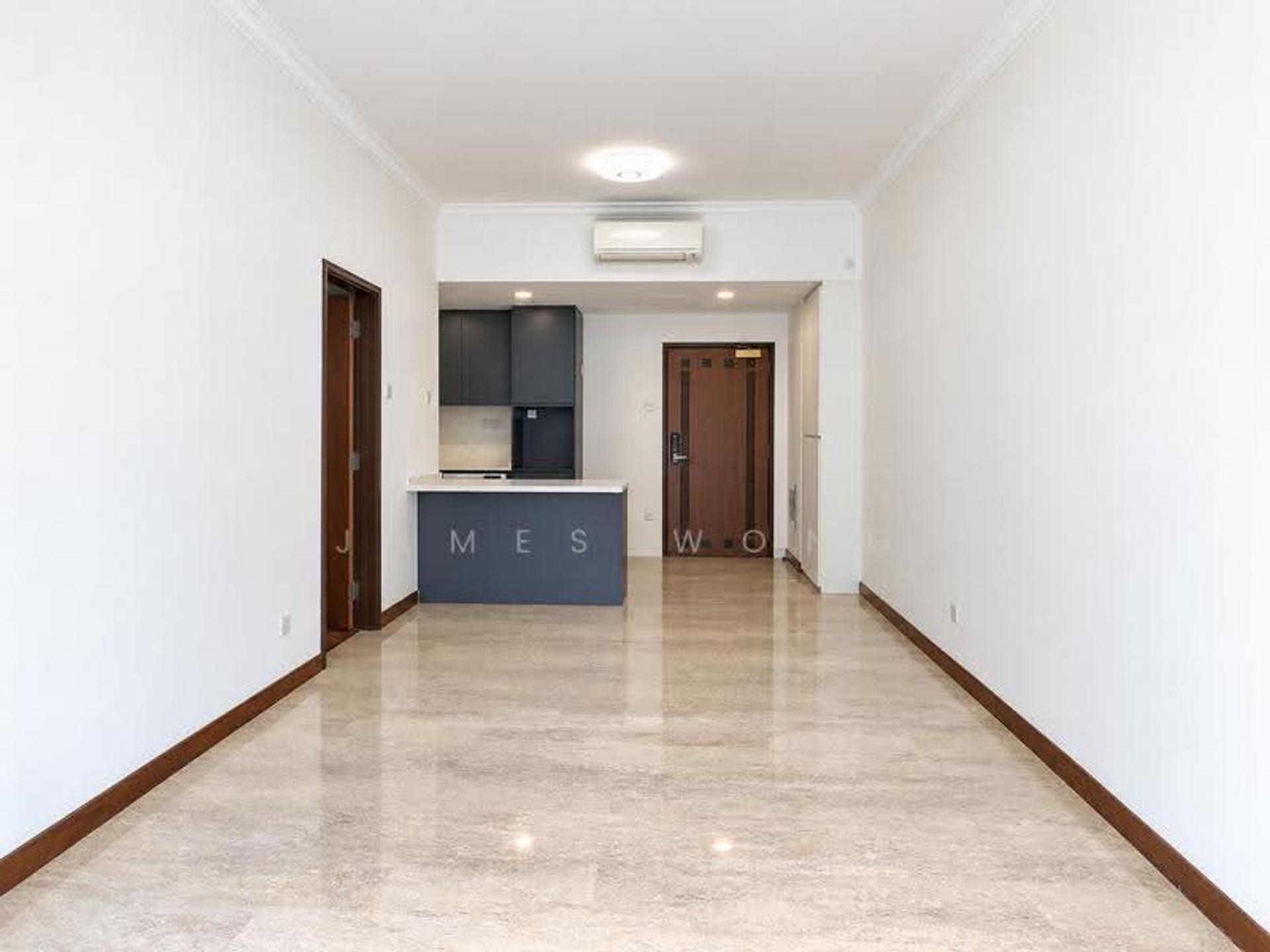
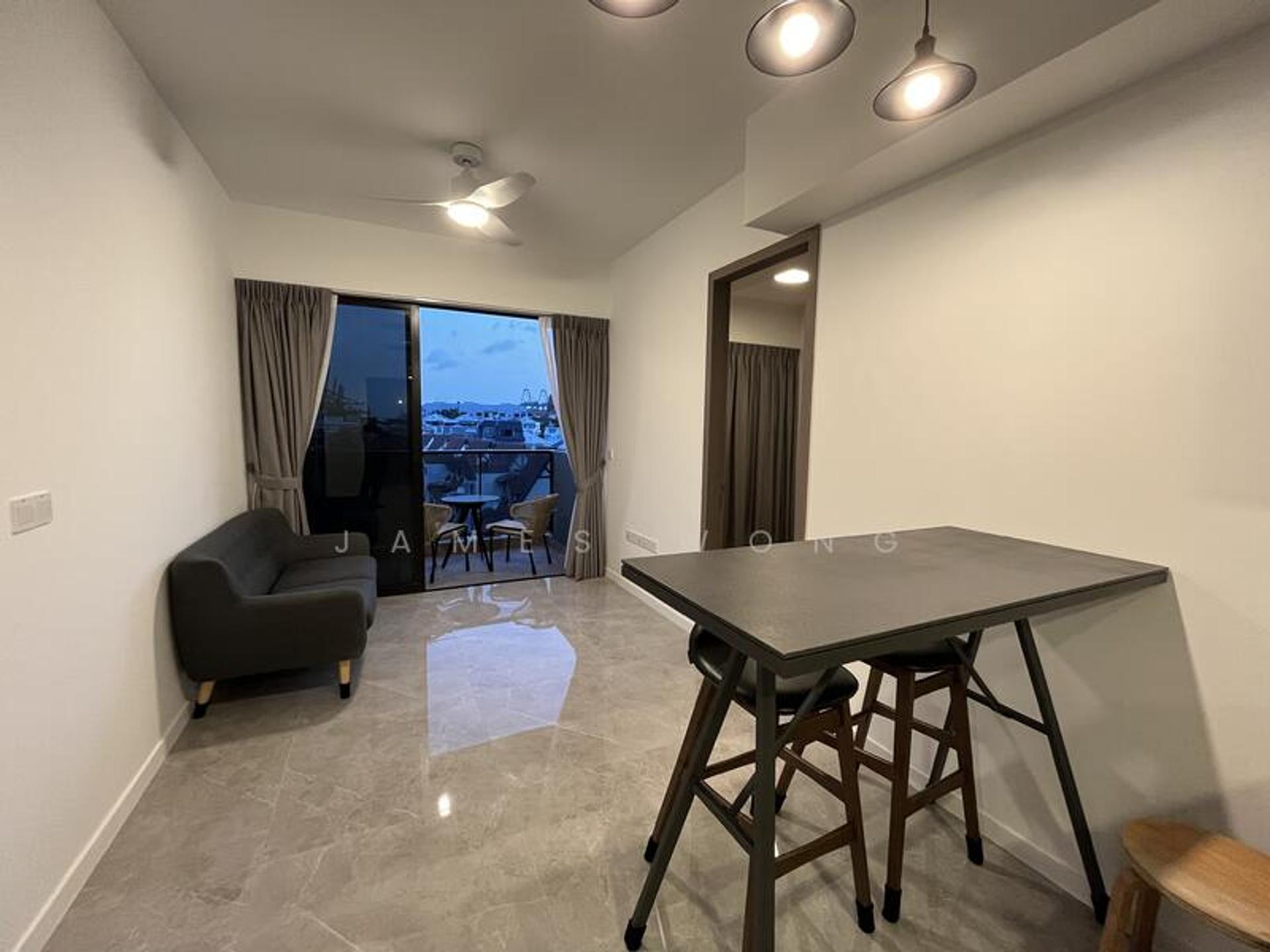
The 592 sqft two-bedroom starts from $1.544 million. Its main attraction is obvious: it is the lowest-cost entry into the project.
I would not dismiss a compact unit simply because it is small. The right compact layout can work well for a couple, a single buyer or parents purchasing near family.
But I would want to look closely at storage, dining space, bedroom proportions and balcony allocation.
At resale, buyers will compare it with larger two-bedroom units within Thomson Reserve itself, not just with other projects.
So I would be careful about paying a big premium for a 592 sqft unit merely because it is on a high floor.
The 678 sqft two-bedroom Premium may be the real volume product
There are 416 units of this type, making it the single largest category in the development.
That tells me it is likely to become one of the most visible Thomson Reserve products in the future resale market.
The upside is liquidity: future buyers should have plenty of transaction evidence.
The downside is that your unit may have many close substitutes.
If I were buying this type, I would therefore be very selective about view, floor and the price premium. I would rather own a clearly differentiated 678 sqft unit than simply a high-floor unit that cost significantly more at launch but looks similar to dozens of others later.
The study formats deserve a practical test
The 732 sqft and 775 sqft two-bedroom Premium + Study units can appeal to buyers who need a proper work area, nursery or occasional third sleeping space without stretching to a three-bedroom quantum.
But a study only creates value if it is genuinely usable.
I would look at width, ventilation, furniture placement and whether the study steals too much space from the living-dining area.
The extra square footage also has to be priced sensibly. If the jump from a 678 sqft two-bedroom to a 732 sqft study unit is small, it may broaden future demand. If the premium gets too close to a three-bedroom, I would reconsider.
The three-bedroom segment is where I would spend more time for family buyers
There are 120 three-bedroom units at 947 sqft, 170 three-bedroom Premium units at 1,055 sqft and 60 three-bedroom Premium + Study units at 1,152 sqft.
In total, there are 350 three-bedroom-format homes - around 28% of the project.
This is the range I would initially spend more time on for an owner-occupier family because the buyer pool at resale can include HDB upgraders, families targeting Ai Tong, existing owners in the area and buyers who want MRT convenience without moving into a very large luxury unit.
The 947 sqft entry three-bedroom starts from $2.503 million. I would compare it directly with completed 900-1,100 sqft resale options nearby, especially Jadescape, rather than looking only at new launches.
The larger four- and five-bedroom units are a different market
There are 90 four-bedroom units at 1,238 sqft, 56 four-bedroom Premium units at 1,367 sqft with private lift, 28 four-bedroom Premium + Study units at 1,485 sqft with private lift and 28 five-bedroom Suites at 1,808 sqft with private lift.
The private-lift segment is only 112 homes.
That scarcity within the development can be meaningful, but only if buyers actually value the extra privacy and specifications enough to pay for it at resale.
For these units, I would care less about squeezing the lowest psf and more about whether the home offers a genuinely premium living experience: entrance sequence, view, master suite, kitchen, helper/utility practicality and separation between private and common areas.
At this quantum, the buyer is also competing with landed, older freehold and larger resale options. The comparison set changes completely.
Classic versus Luxury: do not assume Luxury is automatically the better buy
The Classic Collection has 740 units in four 21-storey towers.
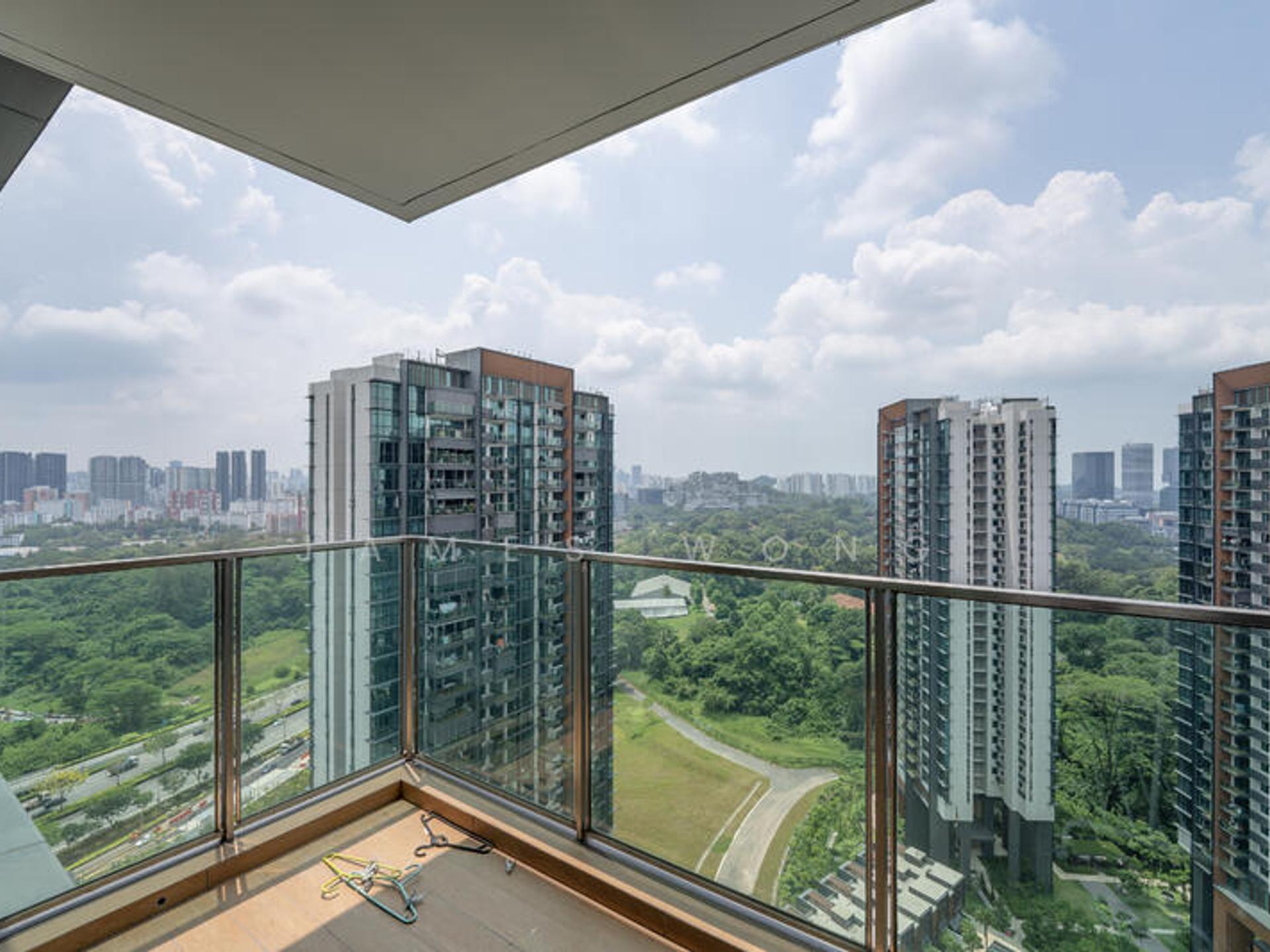
The Luxury Collection has 528 units in two 30-storey towers with upgraded specifications, including Miele appliances and premium finishes. The larger premium units also receive private lifts.
I like upgraded specifications, but I would not pay an unlimited premium for them. Appliances depreciate. Marble is nice to live with, but a future buyer still cares about size, view, layout and total price.
If the Luxury premium is modest and the towers also offer materially better views, it may be worthwhile.
If the price gap becomes very large, the Classic Collection may offer a better risk-reward for buyers who care more about location than finishes.
How I use the indicative price matrix before launch day
The starting prices tell us where each broad product category begins, but they do not tell us the final price of the specific stack and floor a buyer wants. That is why I use an indicative matrix during preview.
I do not need the matrix to predict the official price exactly. I use it to stress-test likely quantum bands for the shortlisted unit and decide in advance what I would do if the actual price falls within the target range, the stretch range or above the hard stop. The matrix is a planning tool, not an official price list.
The value of the exercise is that the buyer has already decided what happens if the preferred unit lands within budget, requires a reasonable stretch or crosses the walk-away level - and at what point another stack, another unit type or a resale alternative becomes the better decision.
By the time the official price list is released, the buyer should already know the target, the stretch and the walk-away number.
How I would shortlist
For a buyer focused on entry quantum, I would compare the 592 sqft two-bedroom against the 678 sqft Premium and ask how much more space I am getting for the price jump.
For a couple planning for a child or working from home, I would test the 732/775 sqft study layouts against the entry three-bedroom.
For a family, I would spend time around the 947 and 1,055 sqft three-bedroom types because they sit in the broadest family market.
For premium own-stay buyers, I would treat the private-lift four- and five-bedroom homes as a separate decision and compare them with larger resale and freehold alternatives, not with the smaller Thomson Reserve units.
My view
I do not think there is one “best” unit type at Thomson Reserve. The best type depends on what the buyer is trying to achieve.
What I do think matters is avoiding the middle ground where you pay a substantial premium but do not gain something that a future buyer can clearly see.
The price ladder will decide a lot, which is why I would model the likely jumps between 592, 678, 732/775, 947 and 1,055 sqft before launch day using the indicative matrix. The official prices then confirm whether those jumps are acceptable or whether the better value sits in another unit type.
That is where value can hide - or disappear.