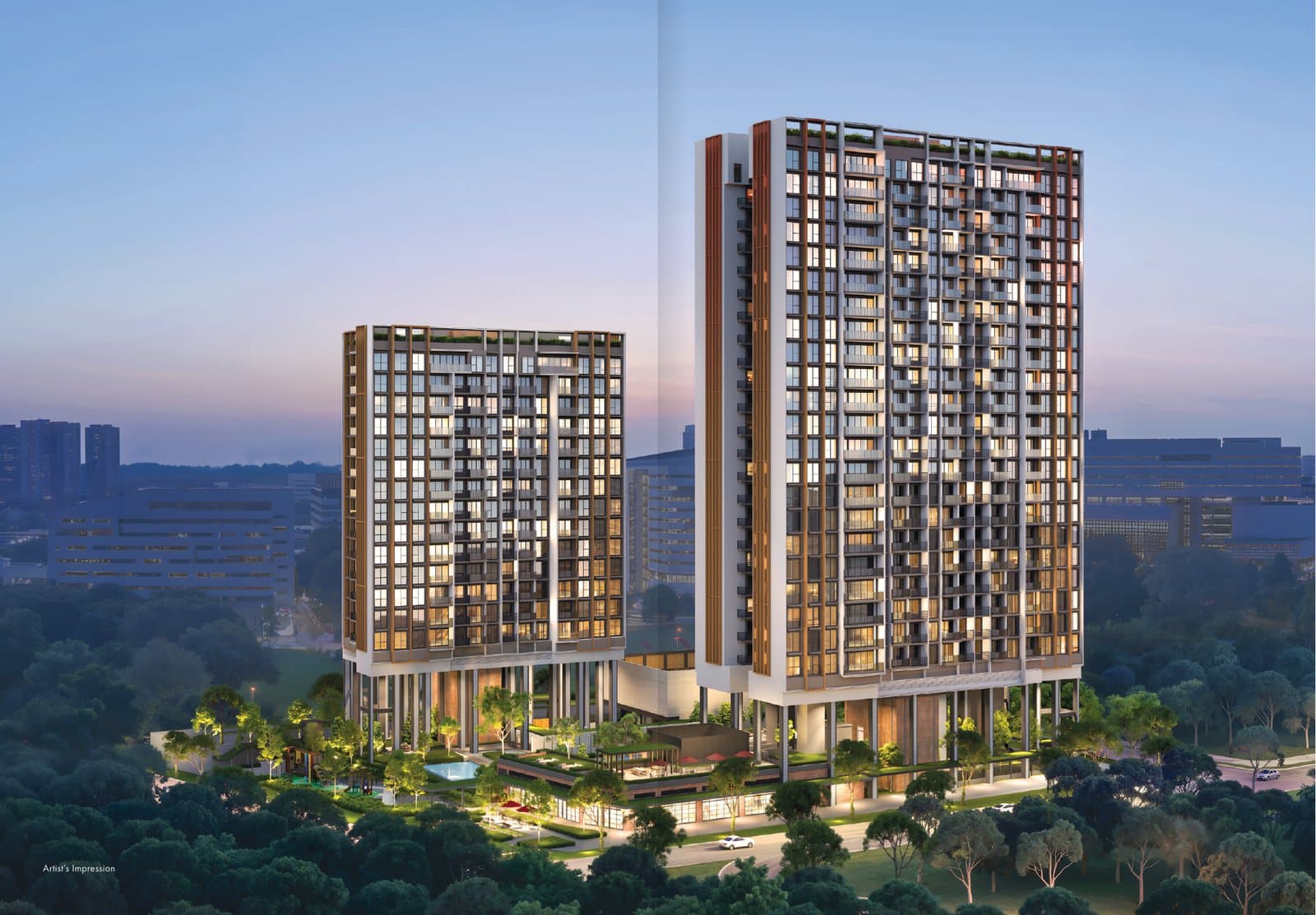

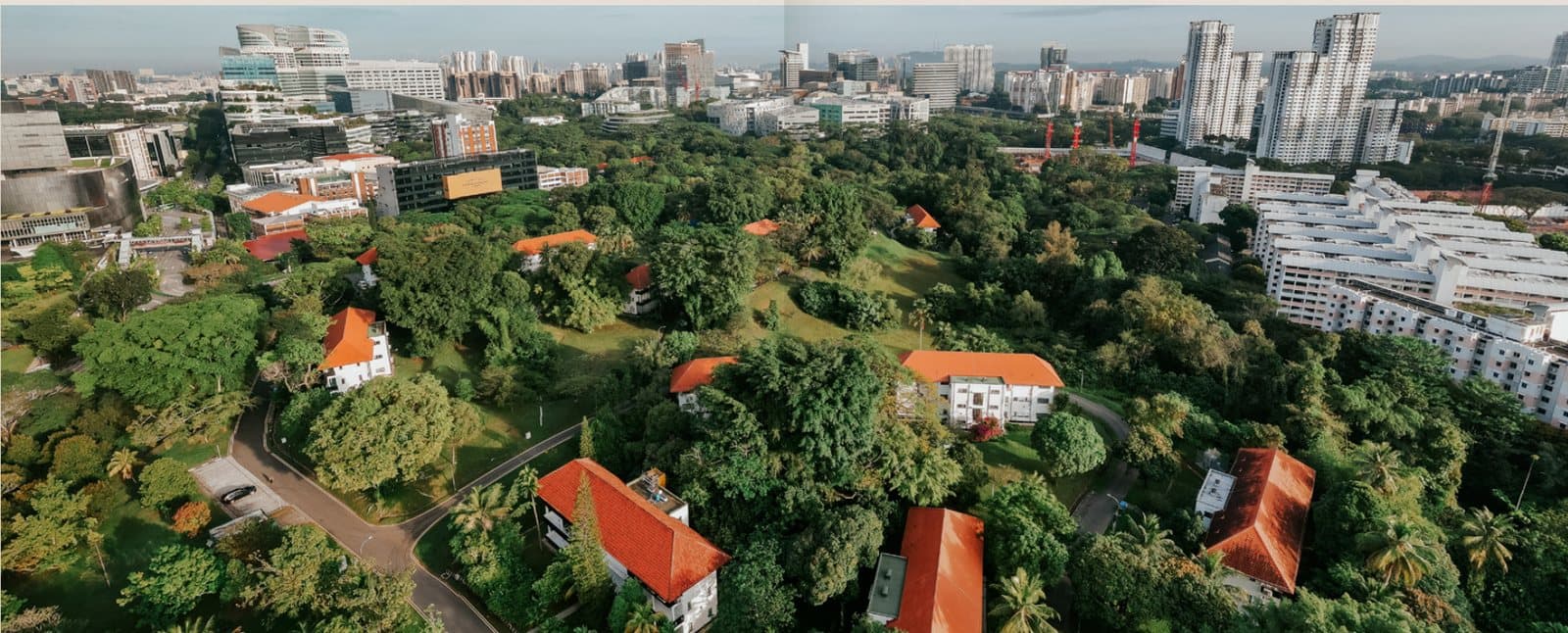
The employment anchor is already here
One-north has an existing concentration of companies, research organisations and educational institutions. A household choosing this area can assess a real workplace location rather than depend entirely on future job creation.
That gives the neighbourhood a specific audience. People with established work, learning or family commitments nearby have a reason to investigate the homes. For an owner-occupier, the first benefit may be a more convenient routine. For an investor, the same ecosystem helps define a tenant audience to research; it does not replace checking actual rental evidence.
Greater one-north is becoming more residential
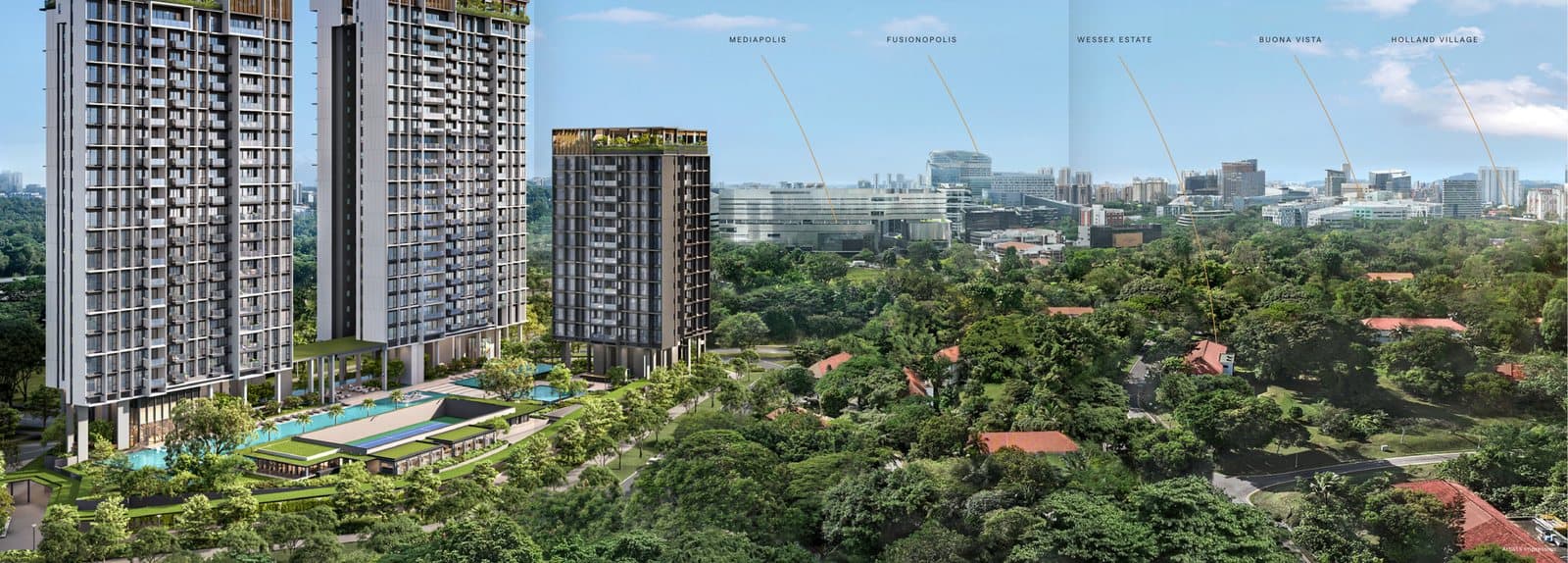
URA's Greater one-north plan identifies new housing in Mediapolis and Dover-Medway, alongside better walking and cycling connections, recreational spaces and community activity. Its Mediapolis narrative also recognises the appeal of Wessex, one-north Park and the Rail Corridor.
For a buyer, the opportunity is to assess an address during that transition. A larger residential population can support everyday services and a more active neighbourhood. Over time, the area's identity could become easier for the wider home-buying market to understand.
That possibility belongs in the buying discussion alongside the cost of living through change. Construction, future buildings and additional homes will affect different stacks and households differently. The site plan and surrounding planning map should therefore be part of the viewing.
There are identifiable projects behind the broader story
JTC's March 2026 announcement targets completion of Kampong AI in 2028, with space for up to 70 companies and more than 200 accommodation units. It adds a specific work-and-living initiative to the wider district. The accommodation component also forms part of the future housing supply.
URA's Queensway Node proposal targets implementation by 2027. It supports the recreational and community side of the location; it is a community node rather than a train station.
These projects give buyers concrete items to follow. Their value to a particular household will depend on what is delivered, when it opens and how it connects to the home.
Keep the transport story on the right timescale
LTA has announced studies for potential rail corridors, and a 2026 tender concerns engineering feasibility work for the proposed Seletar Tengah Line. The evidence reviewed does not establish a station at either development or a new rail connection ready when residents move in.
The buying case should work with the transport available for your move-in plans. A later network improvement can be an additional benefit once its route and delivery become clearer. It should not be carrying the whole purchase decision.
Later land awards give the area a new comparison point
Dover Drive's March 2026 award introduced a higher land rate within the wider one-north story, about $1,556 psf ppr. How each Media Circle site compares is set out in Hudson's entry-price analysis and Bloomsbury's.
The useful question is whether a home available today offers enough value against the alternatives you might wait for. A later development could offer a location or product you prefer. Equally, waiting means giving up today's particular choice of home without yet knowing the later asking price.
Supply to watch
Additional supply needs watching. Media Circle Parcel B is a separate Reserve List site; a Reserve List entry is not a confirmed launch or an awarded construction programme.